How Much Does a Tutor Cost in 2026? Real Hourly Rates
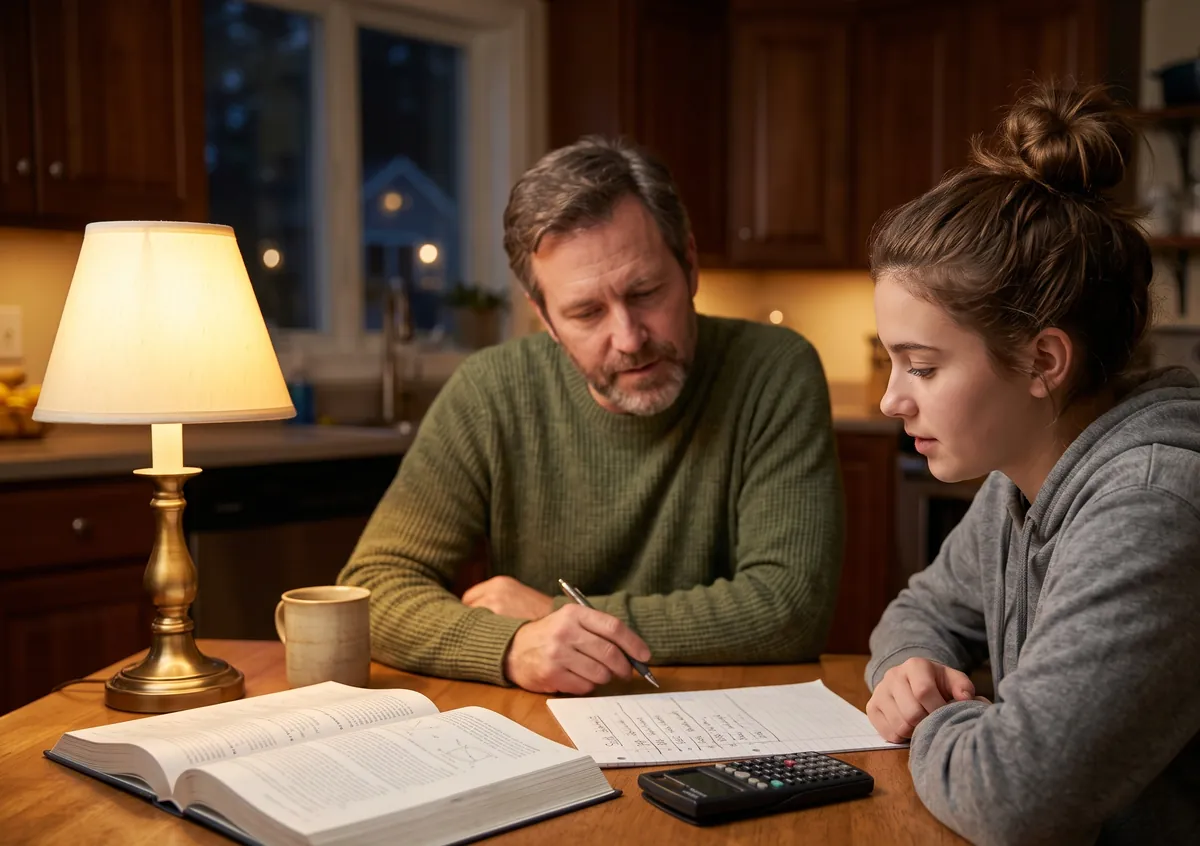
How much does a tutor cost: in 2026, expect to pay roughly $25 to $80 an hour for most K-12 tutoring, with elementary on the low end, high school and test prep on the high end, and specialized college or premium private tutors running well past $100.
I've been tutoring for twelve years, first as a middle-school math teacher running after-school sessions, then on my own with reading and test-prep students added to the mix. I get asked about price more than anything else, usually by a parent who just got off the phone with a learning center and felt their stomach drop. So let me lay out what I actually see, what drives the number up or down, and how to budget without overpaying for things that don't move your kid forward.
One honest caveat before the numbers: rates swing hard by region, by subject, and by who's doing the teaching. A grad student in Ohio and a credentialed SAT specialist in the Bay Area are not the same line item. Treat these as ranges I observe, not a fixed price list. For context on what the broader teaching market pays, the Bureau of Labor Statistics Occupational Outlook Handbook tracks wages and demand for tutors and related instructional roles, which helps explain why scarce, specialized teaching commands a premium.
Tutoring Cost Ranges by Level and Subject
Here's the spread I see across the country for one-on-one tutoring in 2026. These are per-hour figures for a competent, experienced tutor working directly with one student.
| Tutoring type | Typical hourly range | Notes |
|---|---|---|
| Elementary (reading, basic math) | $25 to $45 | Often a teacher or strong college student |
| Middle school (math, writing, science) | $35 to $60 | Where most of my own work lands |
| High school core subjects | $40 to $75 | Algebra II, chemistry, and writing trend higher |
| AP and honors subjects | $50 to $90 | Subject depth pushes the rate |
| SAT / ACT test prep | $50 to $120 | The biggest premium in tutoring |
| College-level (calculus, organic chem, stats) | $50 to $150 | Specialists charge what they're worth |
| Learning-center programs | $40 to $80 | Per hour, but billed in packages |
A few things to read into that table. The jump you feel most is test prep. A tutor who knows the current SAT and ACT formats cold, who has timing drills and a question bank ready, can charge a real premium because the payoff (scholarship dollars, admission odds) is concrete and time-boxed. I'll come back to that.
Why Subject and Level Move the Price
The number isn't arbitrary. It tracks two things: how scarce the tutor's knowledge is, and how much prep the session demands.
Elementary reading help is widely available. Plenty of patient, capable people can sound out words and build fluency with a six-year-old, so the rate stays modest. Organic chemistry is the opposite. Few people can teach it well, the ones who can spent years earning that ability, and a single session can require real preparation. Scarcity sets the floor.
Prep time is the hidden half. When I take on a struggling Algebra I student, I'm not just showing up for the hour you pay for. I'm reviewing their last quiz, mapping where the gap actually started (it's almost never where the parent thinks), and building a plan. Good tutors price that invisible work into the hourly rate. A tutor charging $30 for high-school calculus is either underpricing or not doing the prep.
Private Tutor vs Learning Center vs Online
Format changes the math as much as subject does.
- Independent private tutor. You pay the person directly, so more of your money reaches the actual teaching. Rates run the ranges above. The trade-off is you do the vetting yourself. My guide on how to find a good tutor walks through that.
- Learning centers (the franchise names). Convenient, structured, and they handle scheduling and substitutes. But you're paying for a storefront, a manager, and a brand. Often your child works in a small group while you're billed near one-on-one rates, and the tutor may be a rotating college student. Centers usually sell multi-month packages, which I'll cover below.
- Online tutoring. Frequently 10 to 30 percent cheaper than in-person for the same quality, because the tutor saves drive time and overhead. The gap has narrowed as online became normal. Whether it fits depends on the student and subject, which I dig into in online vs in-person tutoring.
The Test-Prep Premium Is Real (and Sometimes Worth It)
SAT and ACT tutoring is its own market. I've seen rates from $50 an hour for a solid generalist up to $200-plus for a specialist with a track record of big score jumps. Boutique test-prep firms in major metros charge even more.
Is it worth it? Sometimes, genuinely. If a 120-point SAT bump moves your kid into merit-scholarship range at their target school, $1,500 of tutoring can return many times that in aid. But the premium only pays off when three things are true: the student actually does the practice between sessions, there's enough runway before test day (eight to twelve weeks beats two), and the starting score has room to move. A student already at the 95th percentile has little to gain. I tell those families to save the money.
Before paying for a specialist, have your student work through an official practice book. Something like an SAT prep workbook costs under $30 and tells you fast whether the issue is content gaps (tutorable) or careless timing (often fixable with drills alone). That cheap experiment saves families real money.
How Package Discounts Actually Work
Most tutors and every learning center will discount for volume. Here's the honest read.
- Independent tutors often shave 5 to 15 percent for a prepaid block (say, ten sessions). It rewards commitment and stabilizes their schedule. I offer it myself. It's a fair deal on both sides.
- Learning centers lean hard on packages, sometimes 60 to 100 hours sold upfront for a few thousand dollars. The per-hour rate looks better, but you're locked in whether or not it's working. Read the refund policy before you sign. I've had parents come to me mid-package, still paying a center, because progress stalled and they couldn't get out.
My rule: don't prepay more than you'd be comfortable losing if the fit turns out wrong. Buy a small block, see real change, then commit.
Does a Tutor's Credential Justify a Higher Rate?
Partly. A current or former classroom teacher, a subject-matter expert, or someone with a documented score-improvement history can reasonably charge more, and often earns it through better diagnosis and lesson planning. A PhD in literature will likely teach essay writing better than a sophomore who got an A in English.
But credentials are not the whole story, and this is where parents overpay. I've watched brilliant degree-holders bore students into disengagement, and I've watched a warm, patient college junior reach a kid who'd given up on math. Fit and the ability to explain things plainly matter as much as the diploma. Pay for results and rapport, not letters after a name. I make that case fully in how to find a good tutor.
A Realistic Parent Budget
Let me put numbers to a normal situation. Say your eighth grader needs steady math help to close a gap before high school.
- One session a week at $50, over a 12-week semester: about $600.
- Two sessions a week during a rough stretch (new unit, looming finals): roughly $1,200 for that stretch.
- A focused SAT push the summer before junior year, 10 sessions at $80: $800.
For most families, effective tutoring is a few hundred to maybe $1,500 across a school year, concentrated where it matters, not an open-ended monthly bill forever. If you're being quoted far more than that for routine homework support, ask hard what you're getting. And before you commit to any of it, it's worth honestly asking whether tutoring is worth it for your specific situation, because sometimes the answer is a cheaper fix first.
How Tutors Set Their Own Rates
For the tutors reading this, here's the short version of how I price, because underpricing helps no one. I look at three things: what experienced tutors in my market charge, how much prep a given subject demands, and the value of the outcome (test prep commands more than general homework help for good reason). Then I set a number I can deliver on without resenting it, because a resentful tutor is a bad tutor. New to this side of it? My guide on how to become a tutor in 2026 covers rate-setting in detail.
Frequently Asked Questions
How much does a tutor cost per hour in 2026?
For most K-12 tutoring, expect roughly $25 to $80 an hour, with elementary on the low end and high school and test prep on the high end. Specialized college subjects and premium private tutors run well past $100. Elementary reading or basic math typically lands at $25 to $45, middle school at $35 to $60, and high school core subjects at $40 to $75. Rates swing hard by region, subject, and who's teaching, so treat these as observed ranges, not a fixed price list.
Why is SAT and ACT test prep so much more expensive?
Test prep is the biggest premium in tutoring, often $50 to $120 an hour and sometimes $200-plus for a specialist with a track record of big score jumps. You're paying for someone who knows the current format cold, has timing drills and a question bank ready, and is aiming at a concrete, time-boxed payoff like scholarship dollars or admission odds. It can be genuinely worth it, but only when the student does the practice, there's enough runway before test day, and the starting score has room to move.
Is a private tutor or a learning center cheaper?
An independent private tutor usually gives you more teaching per dollar, because you pay the person directly instead of funding a storefront, a manager, and a brand. Learning centers are convenient and handle scheduling and substitutes, but they often bill near one-on-one rates while your child works in a small group, and they lean hard on multi-month packages. Online tutoring is frequently 10 to 30 percent cheaper than in-person for the same quality.
Are tutoring package discounts worth it?
Sometimes, but buy small first. Independent tutors often shave 5 to 15 percent for a prepaid block of around ten sessions, which is a fair deal on both sides. Learning centers may sell 60 to 100 hours upfront for a few thousand dollars, and while the per-hour rate looks better, you're locked in whether or not it's working. My rule: don't prepay more than you'd be comfortable losing if the fit turns out wrong, and read the refund policy before you sign.
Does a higher rate mean a better tutor?
Not automatically. A current or former teacher, a subject-matter expert, or someone with a documented score-improvement history can reasonably charge more and often earns it through better diagnosis and lesson planning. But this is exactly where parents overpay, paying for an impressive credential and getting a tutor who bores the kid into disengagement. Pay for results and rapport, not letters after a name. A suspiciously cheap rate usually buys unstructured homework babysitting, and a sky-high one isn't automatically better.
What's a realistic yearly tutoring budget?
For most families, effective tutoring is a few hundred dollars to maybe $1,500 across a school year, concentrated where it matters rather than an open-ended monthly bill. One session a week at $50 over a 12-week semester is about $600. A focused 10-session SAT push at $80 is $800. If you're being quoted far more than that for routine homework support, ask hard what you're actually getting, and consider whether tutoring is worth it for your situation before committing.
What I'd Actually Tell You
If you're a parent: budget for quality where it counts, especially test prep and any subject where your kid is genuinely stuck, and don't overpay a brand name for routine homework help a good independent tutor can handle for less. Buy small first, watch for real change in a month, then commit.
A fair rate buys you a prepared, engaged tutor who has a plan for your child. A suspiciously cheap rate usually buys an hour of unstructured homework babysitting, and a sky-high one isn't automatically better. When you're ready to compare real people and rates, you can browse tutors in our directory and see services and pricing up front instead of guessing.